
STOCK LEVEL: LOW

LOWEST PRICE EVER


Retatrutide — the "Triple G" injection — just posted the strongest weight-loss results in pharmaceutical history. But with approval still 12-18 months away and supply likely years behind demand, researchers are pointing to a natural compound that may flip the same metabolic switch. It's already in your morning coffee.
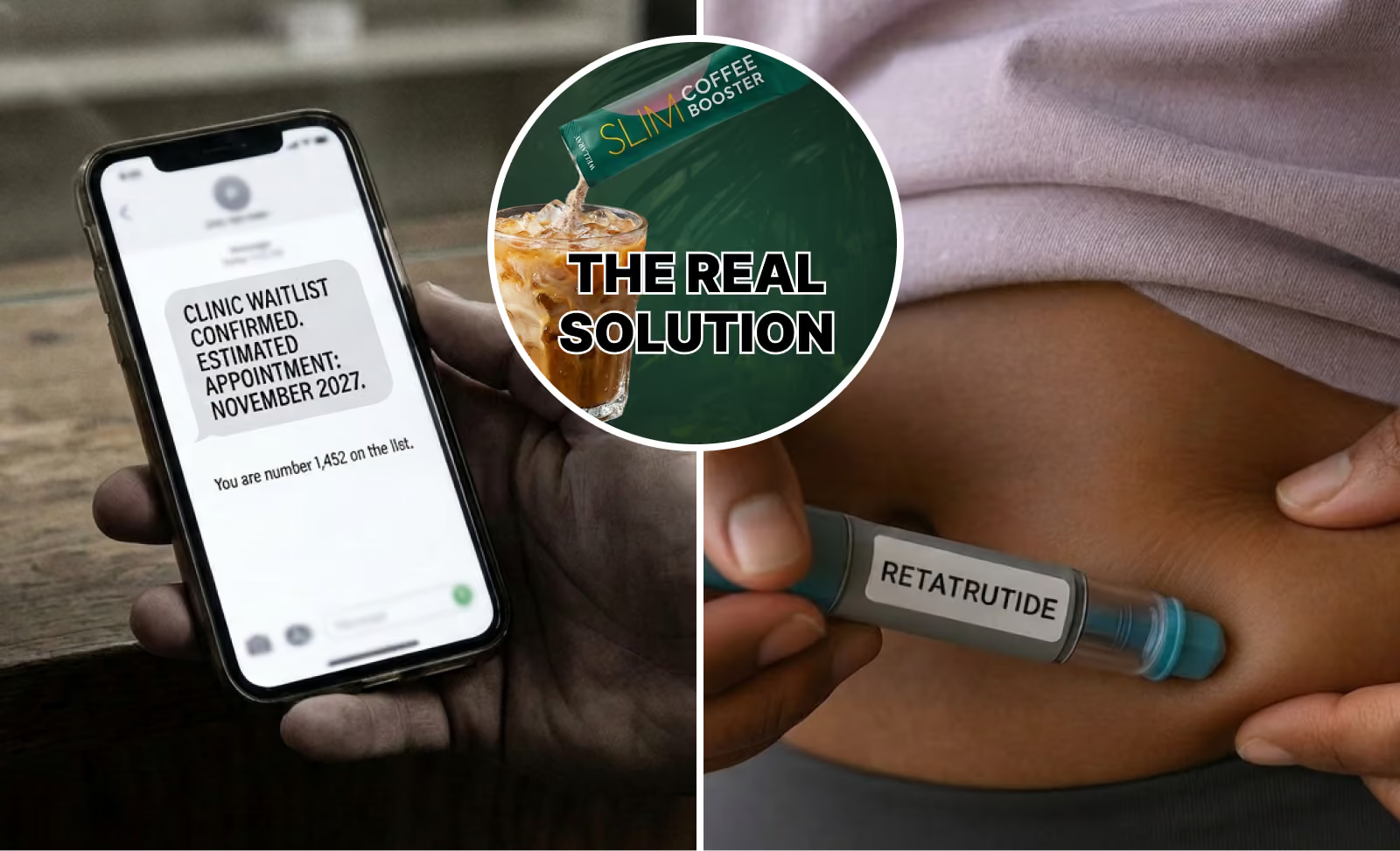
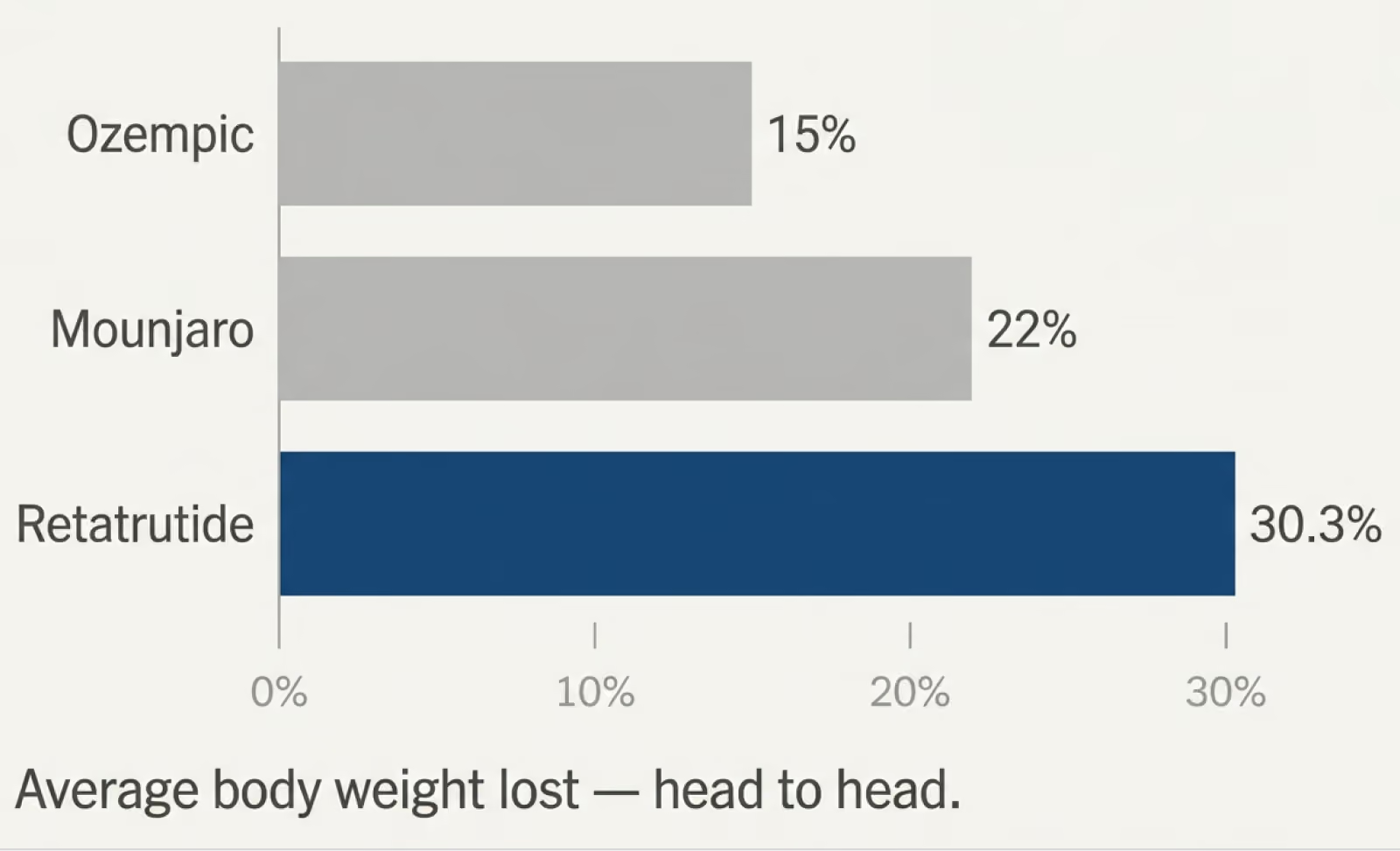
On May 21, 2026, Eli Lilly released the results of TRIUMPH-1 — the final-stage human trial for a drug called Retatrutide. The numbers were staggering: participants on the highest dose lost an average of 28.3% of their body weight over 80 weeks. At 104 weeks, that figure climbed to 30.3%.
To put that in context: Ozempic delivers roughly 15%. Mounjaro reaches about 22%. Retatrutide just matched what stomach-reducing surgery achieves — without a single incision.
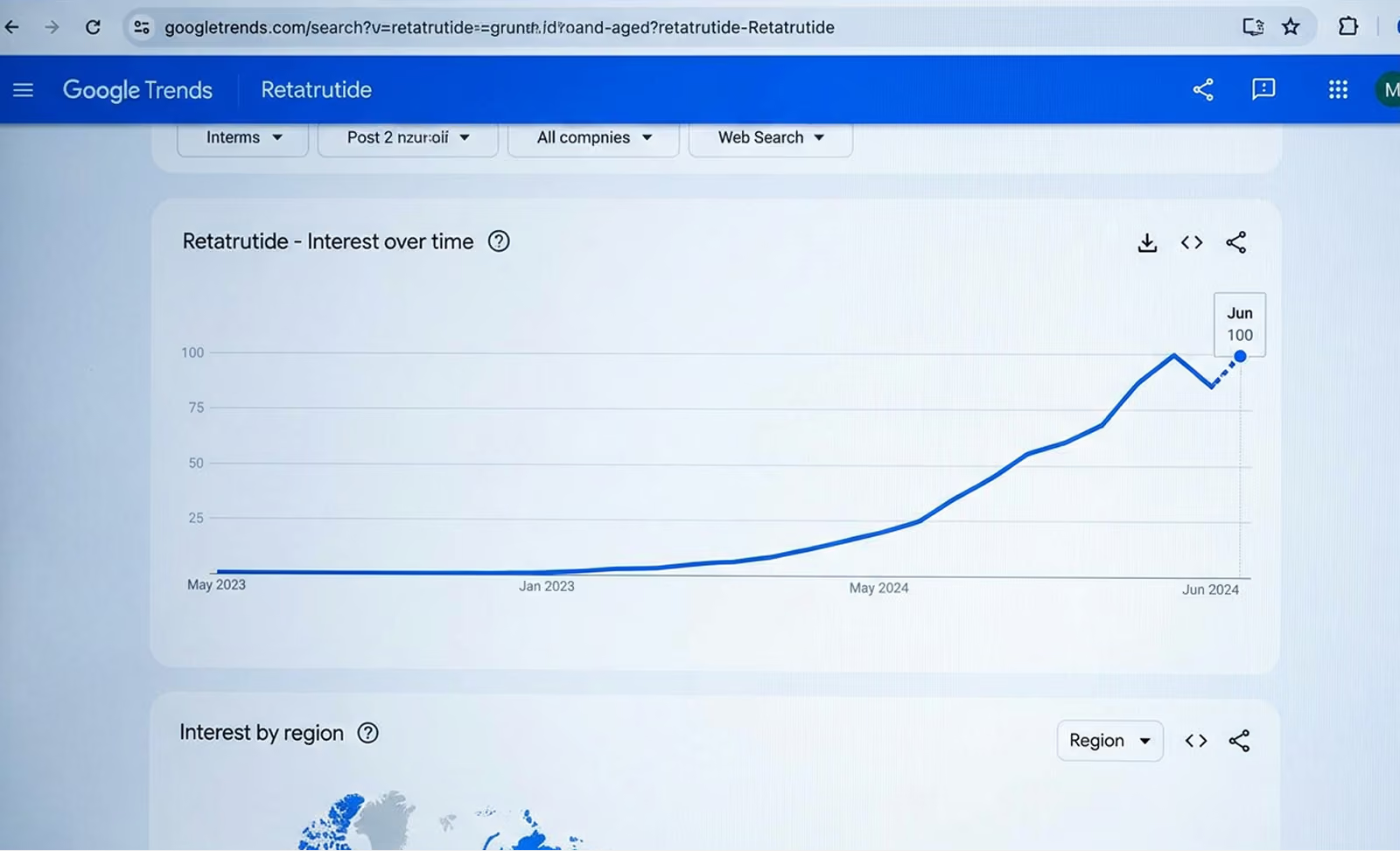
Within hours, the story was everywhere. Searches for "Retatrutide" have jumped 512% in a year. Waiting lists are forming at clinics that don't even have the drug yet.
But here's what most of the headlines left out.
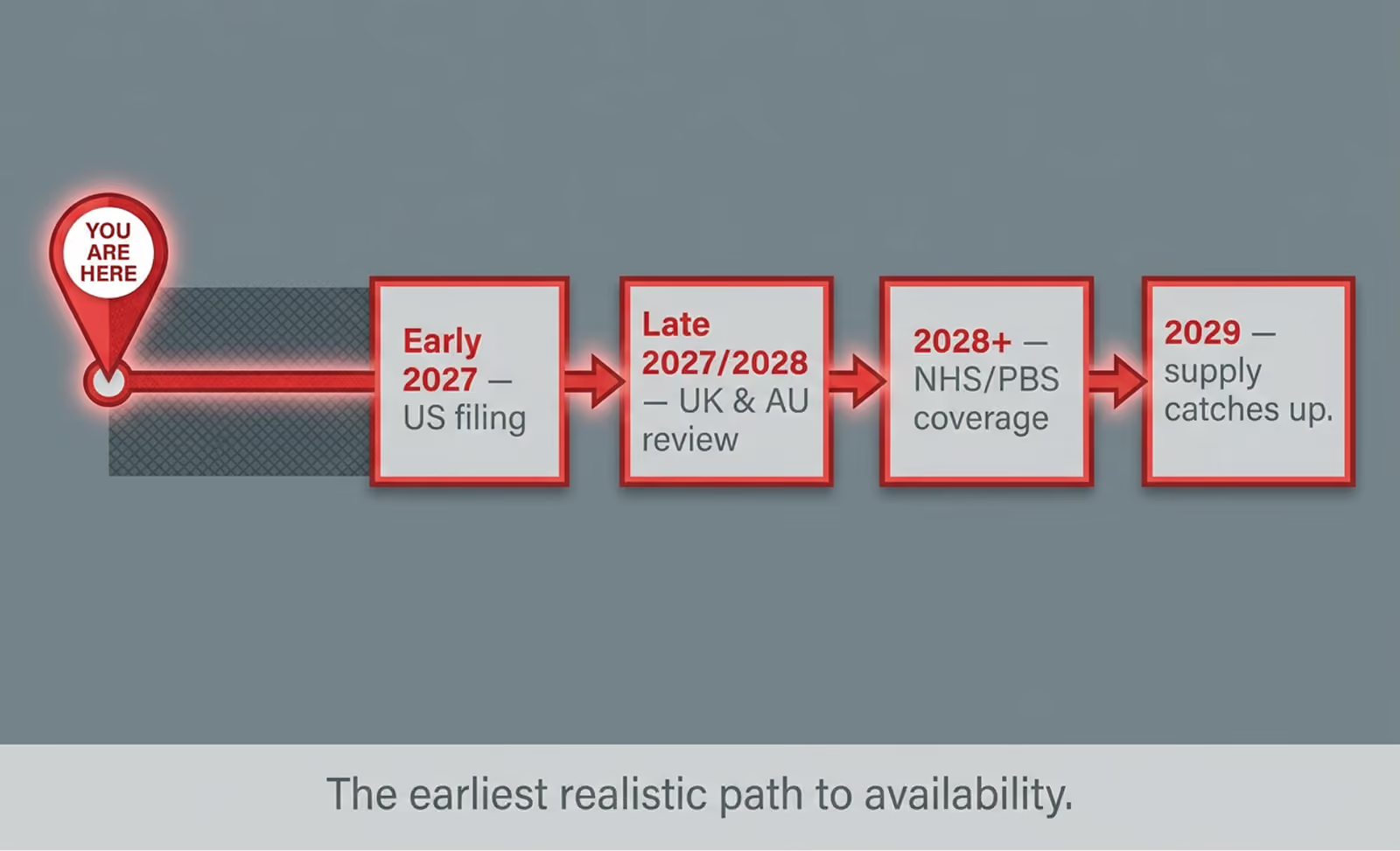
Retatrutide is not approved anywhere. Not in the US, not in Australia, not in the UK. Eli Lilly plans to file for US approval in early 2027. Australia's and the UK's regulators usually follow 6-12 months behind that. Getting it covered by the NHS or subsidised in Australia? Likely 2028 at the earliest — and that's the optimistic version.
Even after approval, the supply problem is real. When Ozempic launched, the world ran out of it for over a year. Mounjaro hit the same wall. Retatrutide — which may be in even higher demand than both — is expected to be hard to get well into 2029 simply because there won't be enough of it to make.
For the millions of people who saw those headlines and thought "finally, something that actually works" — the reality is a wait of two to three years. Possibly longer.
The question that matters isn't whether Retatrutide works. The trial proved that. The question is: what do you do between now and the day you can actually get it?
To understand why this matters beyond the drug itself, you need to understand what Retatrutide does differently.
Previous weight-loss drugs — Ozempic, Wegovy, even Mounjaro — work mainly by copying a hormone called GLP-1. GLP-1 slows your stomach down, quiets hunger signals, and reduces what users call "food noise" — the constant background chatter about what to eat next. It works. But it only addresses one piece of the problem: appetite.
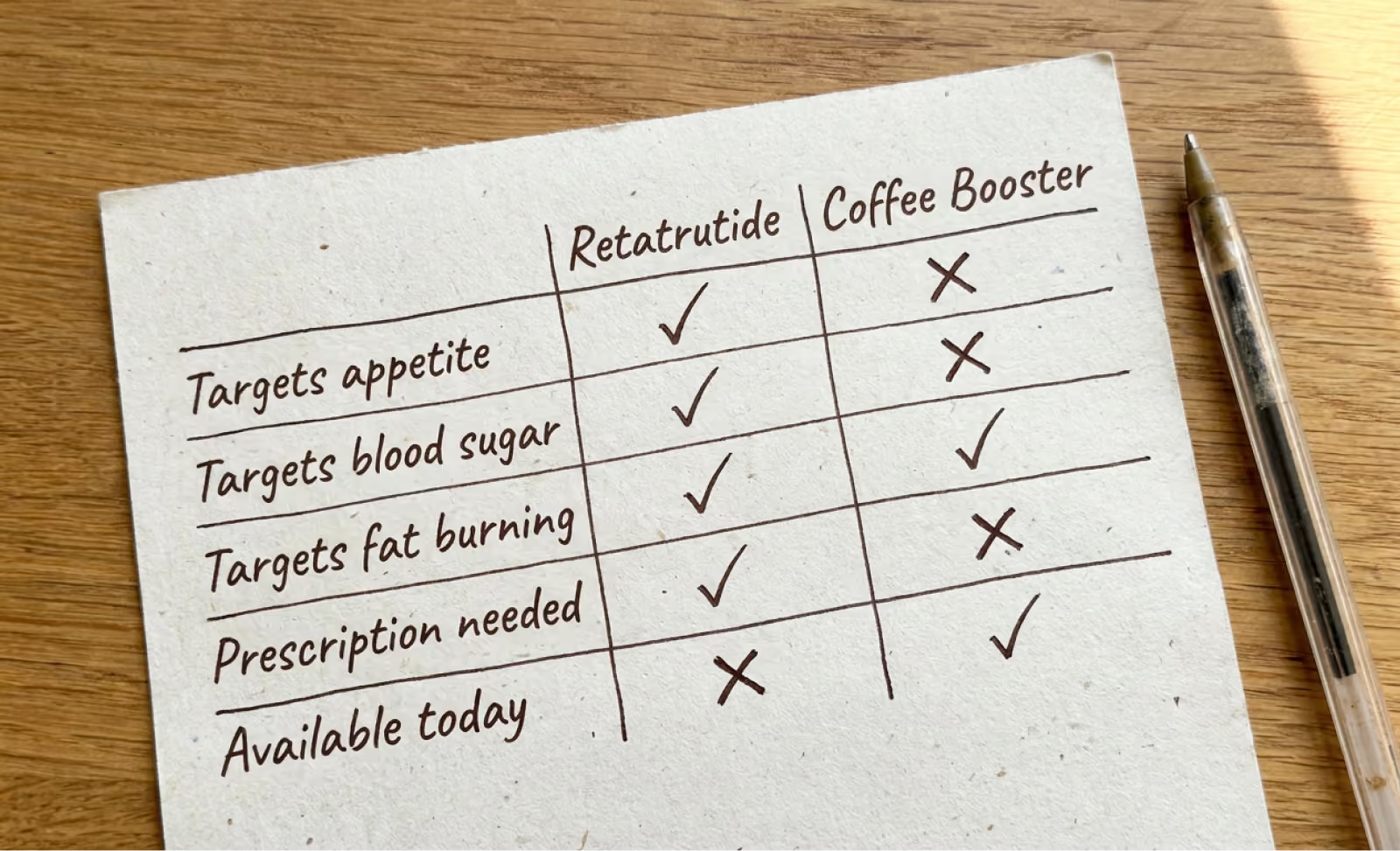
Retatrutide targets three hormones at once: GLP-1, GIP, and glucagon. The first two manage hunger and blood sugar. The third — glucagon — does something none of the other drugs attempt. It switches on direct fat burning.
Glucagon tells your body to treat stored fat as fuel it's allowed to spend. It raises the number of calories you burn just sitting still. And it triggers a process called lipolysis — your body breaking open fat cells for energy. This is the "third pathway" that separates Retatrutide from everything before it, and it's the reason the weight-loss numbers are so much higher.
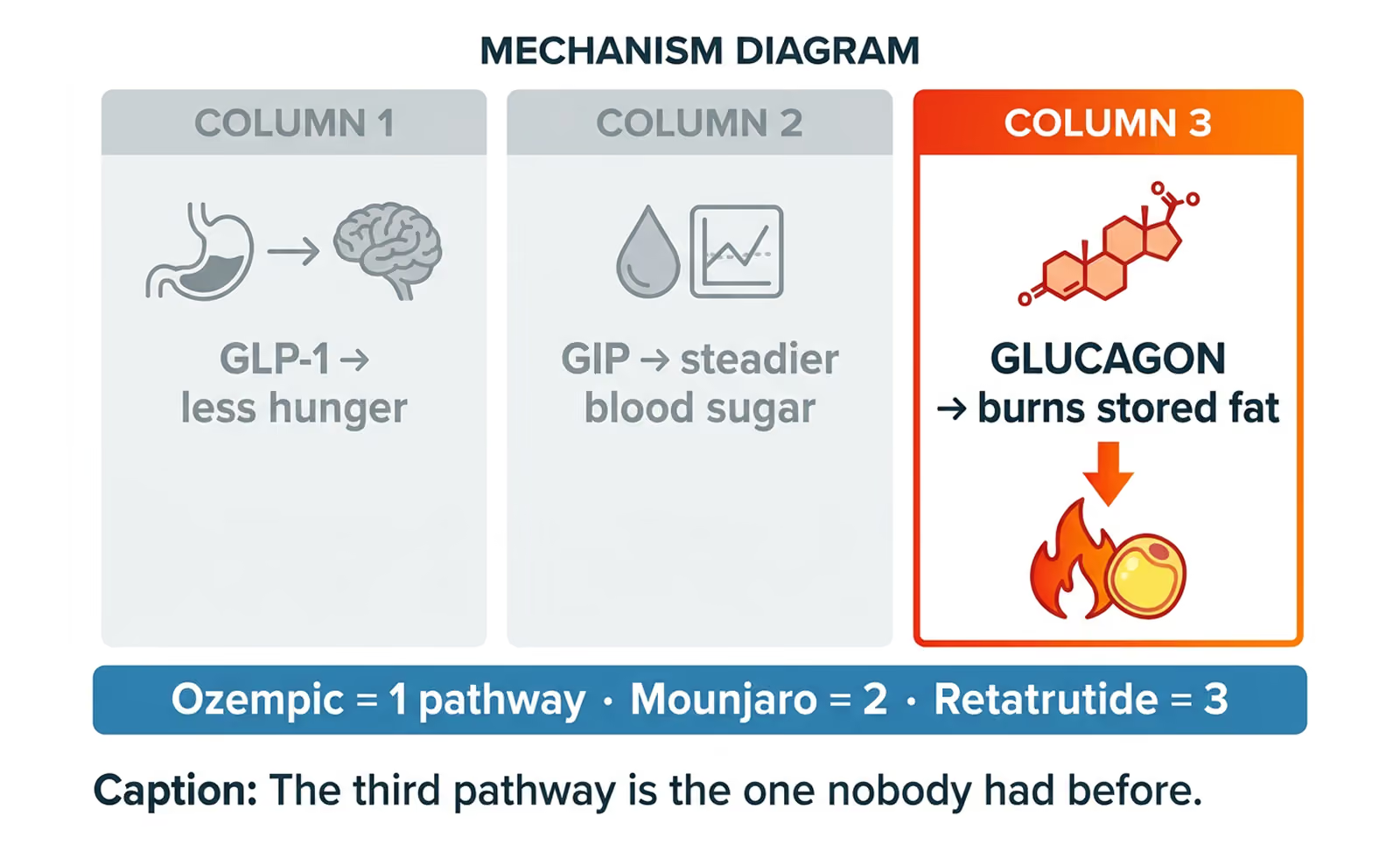
But here's the part that caught the attention of metabolic researchers outside the pharmaceutical industry.
Glucagon's fat-burning signal ends up switching on an enzyme called AMPK. Researchers often call it the "master switch" of metabolism. When AMPK is switched on, your body chooses to burn stored fat instead of hoarding it.
Retatrutide flips that switch with a drug. But AMPK can also be switched on naturally — by a family of compounds found in one of the most widely consumed substances on earth.
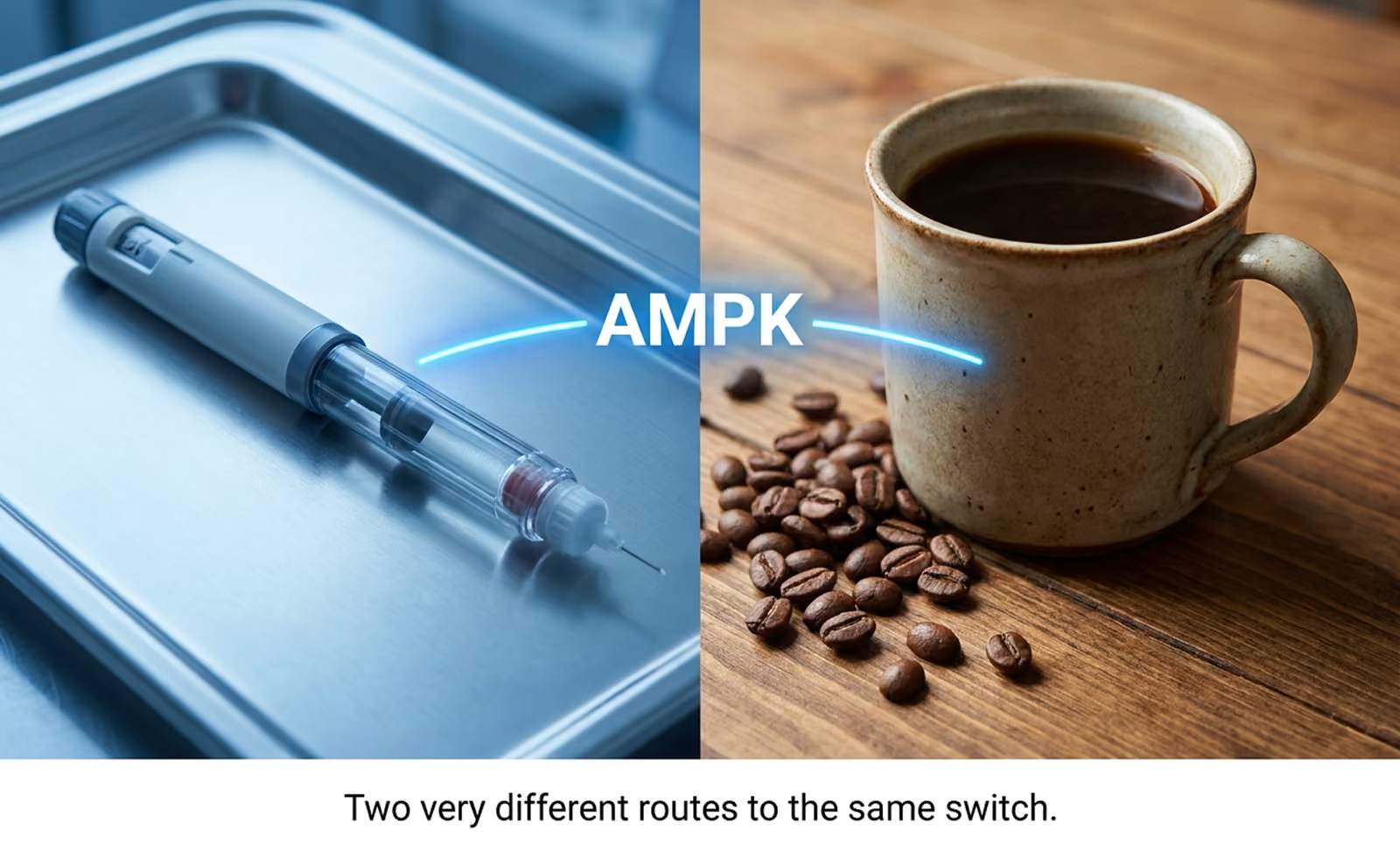
Chlorogenic acids, present in every coffee bean, have shown promising AMPK-activating properties in published studies (Onakpoya et al., The Journal of Nutritional Biochemistry, 2011; Cho et al., Food and Chemical Toxicology, 2010). The research has been sitting there for over a decade.
So why isn't your morning coffee already doing what Retatrutide does?
Because the compound never actually reaches your cells. It took four years to solve that.
In a standard cup of coffee, chlorogenic acids are broken apart by your digestion within minutes. They almost never arrive at your cells intact. The compound is in the cup — but biologically asleep.
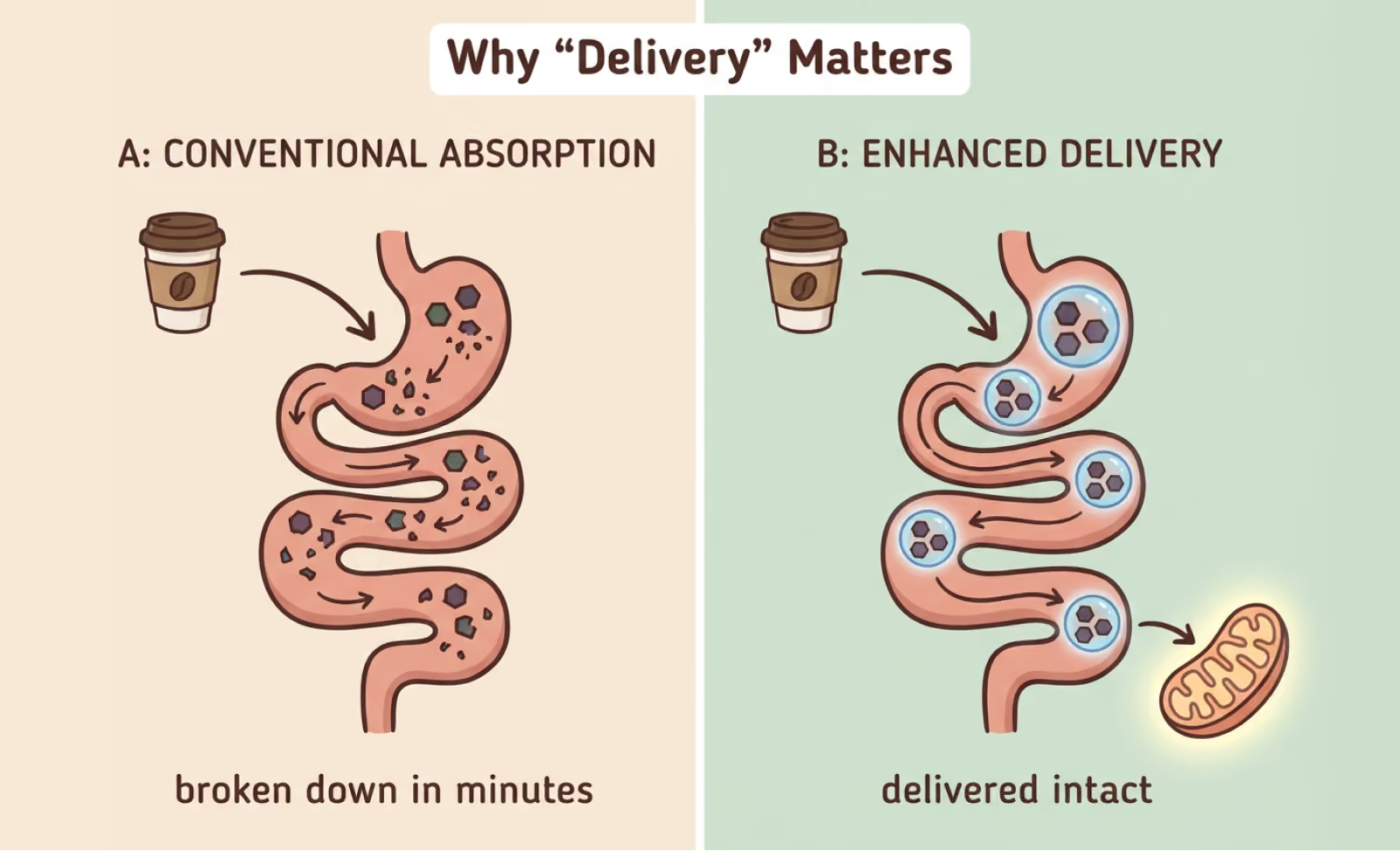
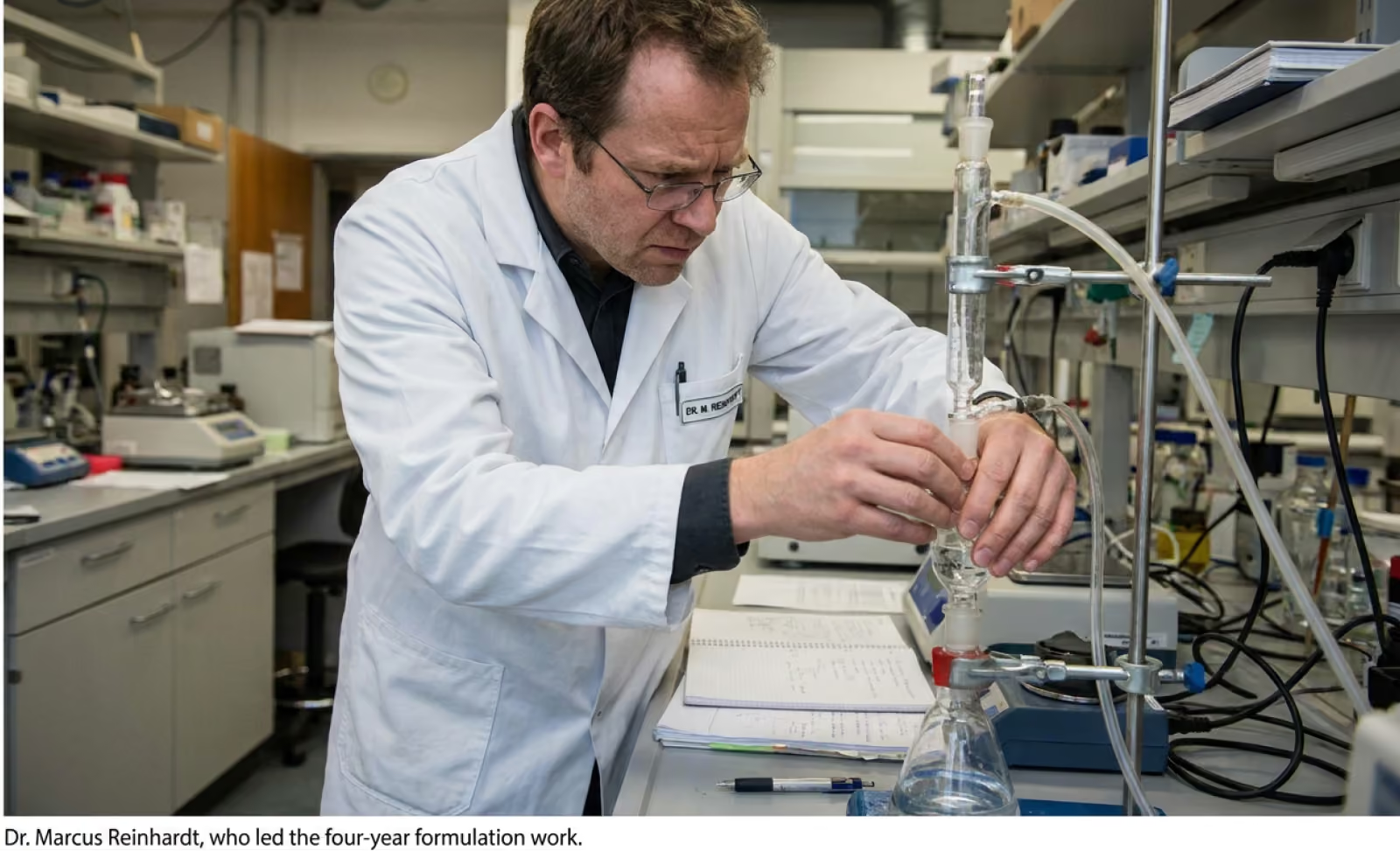
A research team led by molecular biologist Dr. Marcus Reinhardt spent over four years testing combinations of natural helper ingredients — including L-carnitine, green tea extract (EGCG), and the trace mineral chromium — that could protect chlorogenic acids as they pass through digestion and deliver them to the mitochondria, the tiny power plants inside your cells.
The result is a process they call Coffee Catalysis — a precise formulation that may wake up the dormant chlorogenic acids so they reach the cells where AMPK can be triggered.
This is the science behind the Wellaray Slim Coffee Booster — a tasteless powder you stir into your regular morning coffee. No new habit. No prescription. No waiting list.
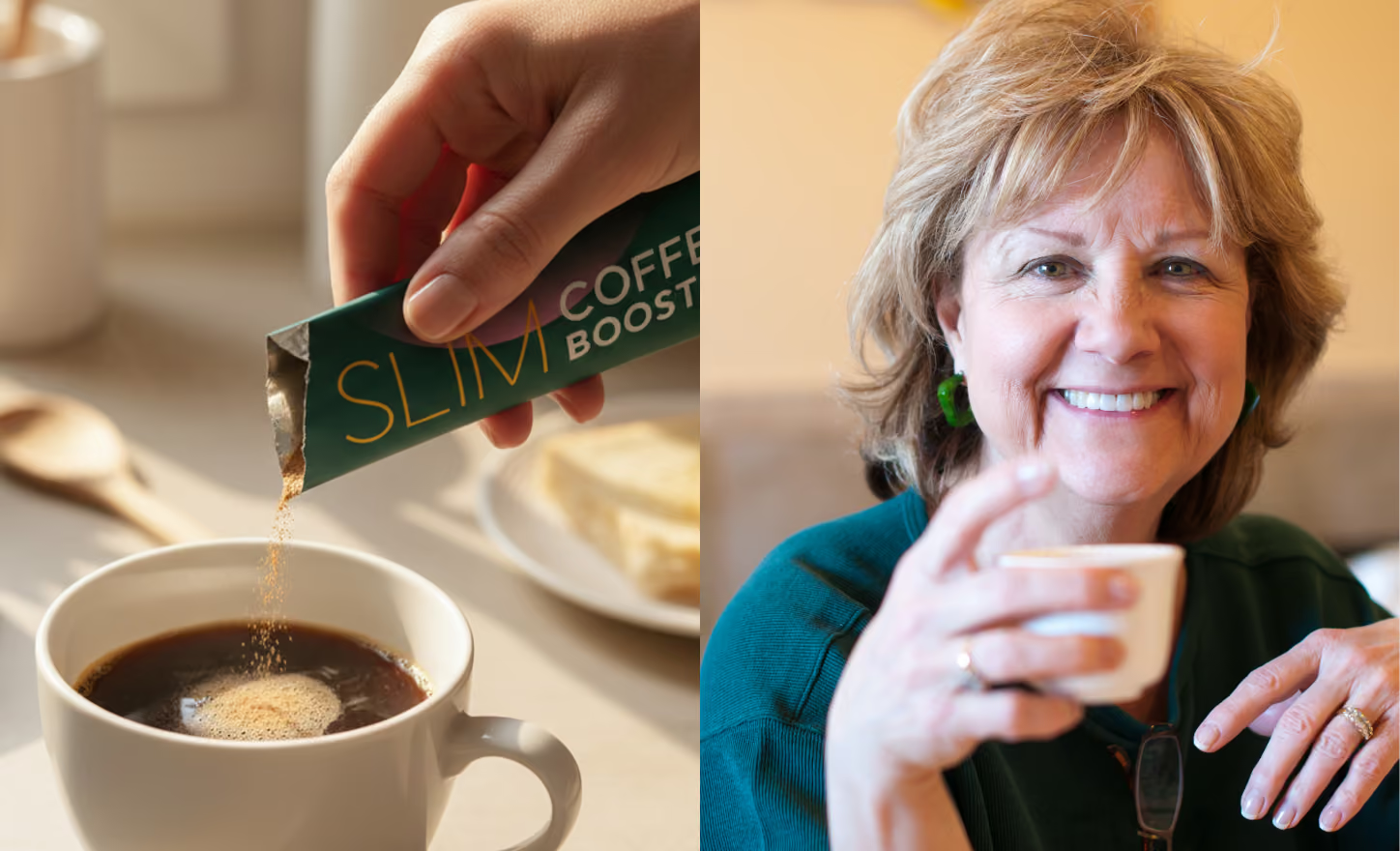


To be clear: this is not Retatrutide in a sachet. No supplement can replicate a triple-hormone drug. The Coffee Catalysis mechanism targets one of the three pathways Retatrutide uses — the AMPK fat-burning pathway — through a natural route.
What users consistently report:
The hunger signal quiets. Within the first week, many users describe the "food noise" fading — the constant loop about what to eat next simply goes quiet. Portions shrink naturally, without the feeling of going without.
Energy stabilises. Instead of the afternoon crash-and-craving cycle, users frequently report steady energy through the day. The mid-afternoon trip to the vending machine stops happening — not through willpower, but because the signal driving it has changed.
The waistline responds. Over 4-8 weeks, users report measurable changes in waist size and how their clothes fit. The results are moderate and realistic — not 30% body weight loss, but consistent progress that doesn't reverse when life gets busy.
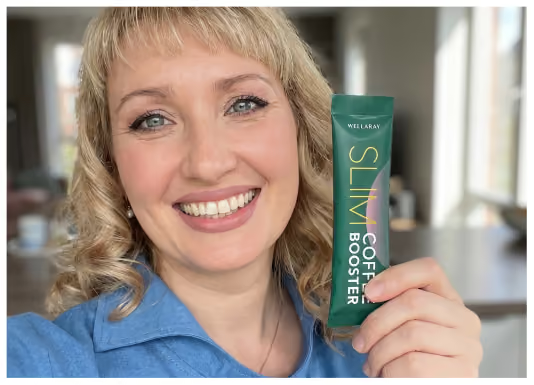
Karen W., 53, Sydney — "I'd been reading about Retatrutide for months and was gutted when I realised it won't be here until 2028. My GP said there's nothing she can prescribe right now that's comparable. I started the coffee booster as something to try in the meantime. Three weeks in, I stopped snacking after dinner — completely. After seven weeks I've lost 5.8 kg and my work trousers fit again. I'll still look at Retatrutide when it arrives."
James M., 58, Manchester — "My wife found this after we both went on Mounjaro and the supply ran out. I was sceptical — I'm a pharmacist, I know what GLP-1 drugs actually do. But the hunger reduction was noticeable by day five. I've lost 3 cm off my waist in six weeks. It's not Mounjaro, but it's available, it's consistent, and I haven't had a single day of nausea."

Priya D., 47, Melbourne — "I spent $400 on a telehealth consultation trying to get early access to Retatrutide. They told me to check back in 2028. A friend was using the coffee booster and I thought, what do I have to lose? Eight weeks later: −4.2 kg, sleeping better, and I actually forgot to eat lunch twice last week. That has never happened to me."
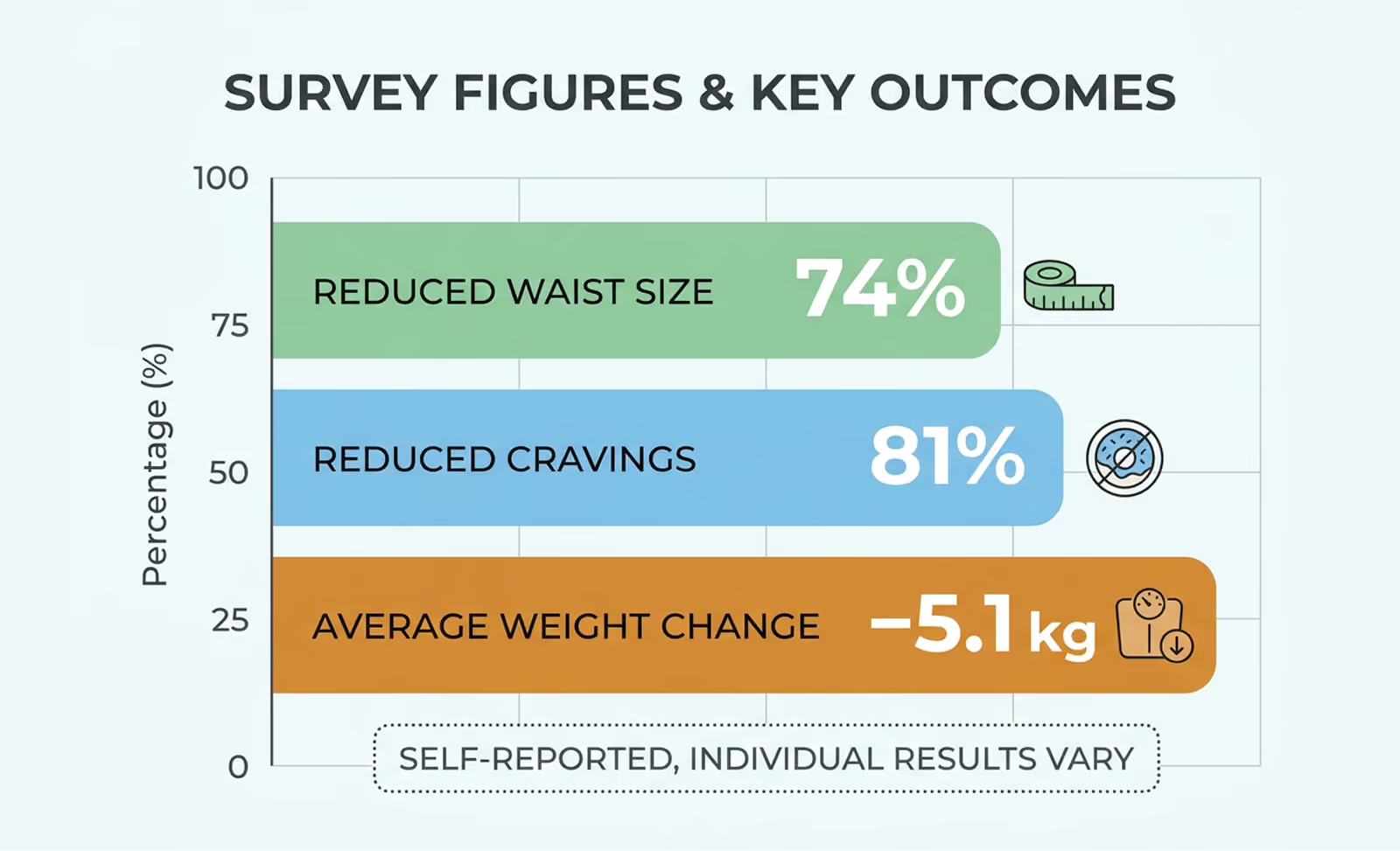
"In an internal review of 2,847 customers who purchased a 3-month supply, 74% self-reported a measurable reduction in waist size after 6 weeks, and 81% reported noticeably reduced food cravings within the first 10 days. Average self-reported weight change was −5.1 kg over 8 weeks among respondents aged 40-59.“
These are self-reported figures from an opt-in survey and individual results may vary.
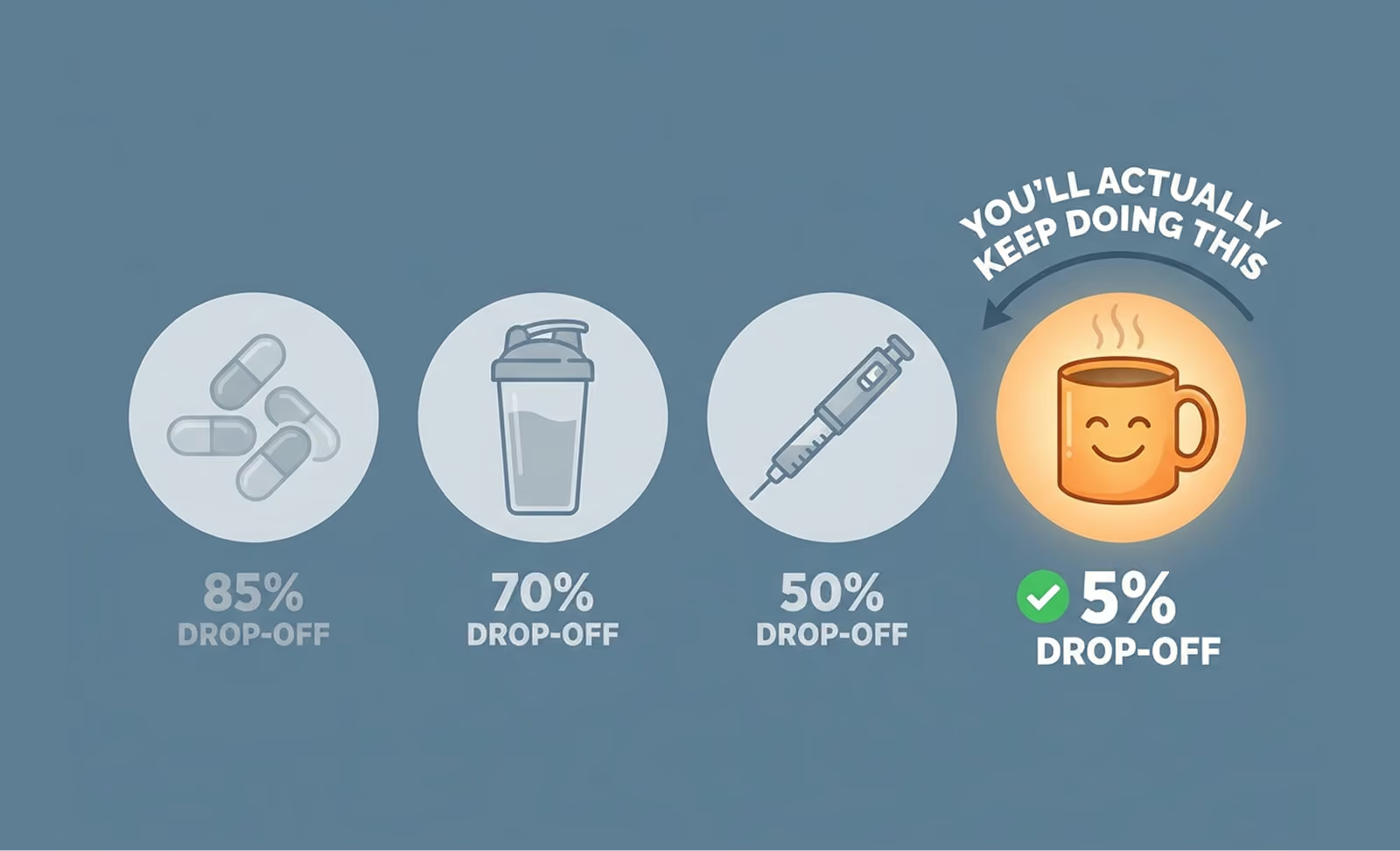
The format is deliberate. The biggest reason supplements fail isn't whether they work — it's that people stop taking them. Pills get forgotten. Shakes get abandoned. Injections get skipped when life gets complicated.
Coffee is the exception. It's the one daily ritual almost nobody drops. By putting the active compounds into something you already do every morning, the consistency problem disappears. Tear open a sachet, stir it in, drink your coffee as you always have. The taste doesn't change.
No prescription. No clinic visit. No supply shortage. No waiting list.
The TRIUMPH data is extraordinary. When Retatrutide becomes available — and it will — it may well be the most effective weight-loss treatment ever approved. That day could be 2028. It could be later.
Between now and then, you have a choice. Wait — and change nothing. Or start switching on the same metabolic pathway that makes Retatrutide so powerful, through a compound that's been sitting in your coffee all along.
The science didn't start with Retatrutide. It started with the discovery that your metabolism has a switch — and that switch can be reached without a prescription.
.avif)
⚡ Flash Sale Active · 70% Off · Stock Running Low



